
Desirable Qualities of MPs
Including Constituency MPs and Cabinet Members
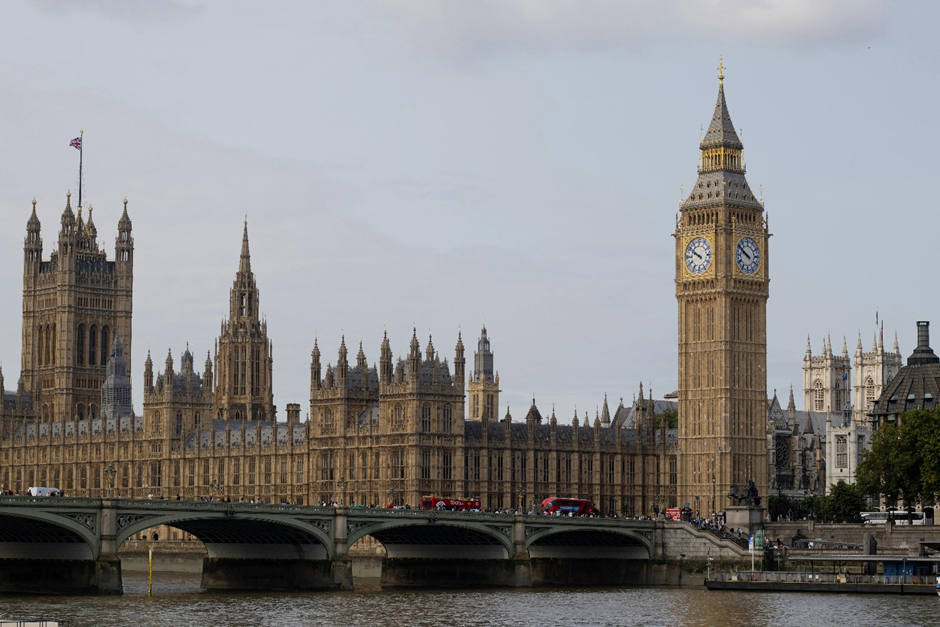
All members of parliament, including cabinet members and the Prime Minister, represent a local constituency. Ideally, people who put themselves forward to represent a constituency as an MP should live in the area and understand its needs and issues. Whilst no official figures are published, it is estimated that only about 50% of MPs actually represent the constituencies they live in. Additionally, prospective MPs should have experience in some aspects of business and the real world, rather than being from a blinkered profession or a government-related role.
When cabinet ministers are appointed, they should possess a thorough understanding of their role and a comprehensive knowledge of their responsibilities. It is no good being the Chancellor of the Exchequer if your background is in customer complaints.
Politics is the process of collective decision-making based on what is best for the country, rather than what is best for the party to maintain power — satisfying a particular wing of the party, serving a religious group, or making decisions for personal gain are not in the public interest. Introducing a giveaway budget in the lead-up to an election might be a short-term gain for the public. Still, the gain might be only temporary until the next administration declares a budget.
Prospective and serving MPs should have no skeletons in the cupboard, should have no police record, and should not be protecting themselves by injunctions or super injunctions.
If the above conditions had been in place before the last election, the Cabinet would now look somewhat different.
MPs should hold regular surgeries, attend local events, and be accessible to constituents. All MPs should listen to individual concerns and represent them in Westminster, acting as a “bridge” between government and community. MPs should help constituents navigate the bureaucracy (e.g., housing, benefits, immigration). Even if party-aligned, they must serve all constituents regardless of how they voted.
MPs should understand the economic, cultural, and social challenges of their constituency area and relate to people’s everyday concerns, and be willing to hold ministers, councils, or agencies accountable on behalf of residents.
For cabinet members (including the Prime Minister), the role shifts from local representation to national leadership, and the minister should set the long-term direction for their department, rather than just reacting to events. They must have a deep understanding of their brief, or at least the ability to grasp complex issues quickly and rely on expert advice.
Ministers should clearly explain their policies to Parliament, the media, and the public, and effectively handle scrutiny under pressure. They should lead civil servants, coordinate with junior ministers, and manage a large department.
Cabinet ministers face constant pressure, so they must stay calm during crises (from scandals to national emergencies) and work across factions, manage relations with backbench MPs, and maintain cabinet unity. They should move beyond constituency issues to strike a balance between competing national interests.
If only this was so!